Floral Ladybug SVG Clipart: A Designer's Real-World Review
As someone who has spent years turning digital files into tangible, stitched treasures for clients and my own small shop, I know that the difference between a good design and a great finished product often comes down to one thing: how the file behaves when it hits the hoop. Today, I am putting Floral Ladybug SVG Clipart through its paces to see if it belongs in your next embroidery project. This isn't just about looking at a pretty image; it is about understanding the mechanics of the design, its potential for commercial use, and whether it will hold up under the scrutiny of a customer holding a handmade gift.
First Impressions: Mood and Visual Personality
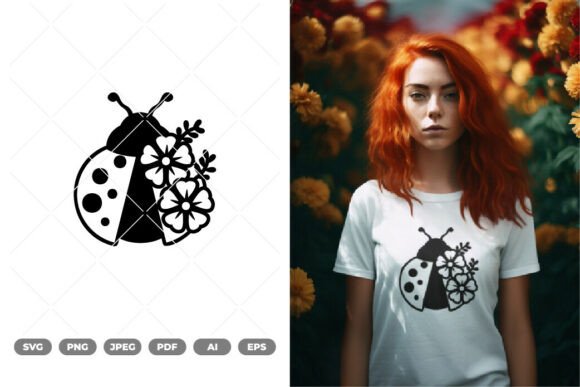
The moment you open the folder containing Floral Ladybug SVG Clipart, the vibe is immediately cheerful and whimsical. The combination of a classic ladybug motif with floral elements suggests a design that is soft yet structured. It feels like something that belongs in a springtime collection or a nursery setting. Unlike some overly complex designs that look chaotic even on screen, this piece has a clear focal point. The shapes appear balanced, which is the first sign of a well-thought-out embroidery file.
However, as a reviewer, I always look past the initial cuteness to the technical structure. Does the layout allow for clean stitching? The description notes that this item is perfect for creating eye-catching visuals, but for an embroiderer, "eye-catching" means high contrast and clear stitch paths. The inclusion of floral details implies a need for fine detail work, likely utilizing satin stitch for the outlines and fill stitch for the body of the bug. If the vector paths are clean, this design could translate beautifully from a digital mockup to a physical handmade product. The mood is inviting, making it ideal for gifts that require a touch of warmth and personalization.
A Real-World Scenario: The Custom Tote Bag Project
Let me paint a picture of how I would actually use this design in a real business scenario. Imagine you are preparing inventory for a local craft fair or updating your Etsy listings. You have a client request for a custom tote bag featuring a nature theme. You decide to test Floral Ladybug SVG Clipart on a canvas tote. Because the design is described as a unique vector clipart, the scalability is key here. Can you enlarge it for a large tote without losing definition?
In this scenario, the design acts as the centerpiece of a boutique product. You imagine the final result: a sturdy canvas bag with the ladybug nestled among embroidered flowers. The visual appeal here is strong because the subject matter is universally liked. However, you must consider the placement. On a tote bag, the fabric is relatively stable, which is perfect for this type of machine embroidery design. But what if you wanted to move this design to a different item? How does it perform on other surfaces?
Consider a baby onesie. The same design, scaled down slightly, could become a cherished personalized gift for a new parent. The floral aspect adds a gentle touch suitable for a nursery, while the ladybug adds a playful element. Or perhaps you are creating a set of kitchen towels for a wedding gift. The bright colors of a ladybug against a white or cream towel create a lovely contrast that screams "homey." In every one of these cases, the design serves as a versatile asset for a craft business owner looking to expand their catalog without reinventing the wheel.
Technical Performance and Stitch Clarity
When we talk about embroidery project success, we are talking about stitch density and thread color contrast. While the product description mentions the inclusion of a PNG file, the true value lies in how the vector translates to stitches. For a design like Floral Ladybug SVG Clipart, the edges of the petals and the spots on the ladybug need to be crisp. If the stitch density is too high, the fabric might pucker, especially on thinner materials. If it is too low, the design might look sparse and unfinished.
I advise testing this design on scrap fabric before committing to a final piece. Pay close attention to the running stitch areas, which are often used for delicate leaves or stems. These areas can easily get lost if the thread color doesn't pop against the background. When choosing your thread colors, ensure there is enough contrast between the red of the ladybug and the green of the leaves. This contrast is what drives customer engagement and makes the finished product look professional.
Another critical factor is the hoop size. If you are working on a small patch or a cap, the details in the floral section might get crowded. Small hoops limit the space available for complex layouts, potentially causing the design to lose its charm. Always verify that your chosen hoop size can accommodate the full width of the design without cutting off any essential elements. If the design includes tiny lettering or intricate corners, those are the first things to fail during the stitching process.
Where to Use (and Where to Be Careful)
This design shines on stable fabrics like cotton, denim, and canvas. It is an excellent choice for custom apparel such as sweatshirts, t-shirts, and aprons. The durability of the design makes it suitable for items that will be washed frequently, provided you use the proper stabilizer to prevent shifting. For a small shop product like a pillow cover or a holiday gift, the design adds a level of polish that elevates the perceived value of the item.
However, there are places where you should exercise caution. Stretchy fabrics, such as jersey knits or athletic wear, present a challenge. Without heavy-duty stabilizers, the tension of the embroidery machine can distort the shape of the ladybug or the flowers. Similarly, textured fabrics like corduroy or fleece can hide the finer details of the applique design or make the satin stitches look uneven. Dark fabrics require careful thread selection; if you use light threads for the floral details, they may disappear unless you use a high-quality underlay or a specific color palette designed for darks.
Curved surfaces like caps also demand extra attention. While the design looks flat on a screen, wrapping it around the curve of a hat can stretch the imagery. If you plan to sell commercial embroidery items, ensure you test the design on the actual garment shape before mass production. This step saves you from costly returns and unhappy customers.
Designer Notes for Success
Before you start stitching, there are a few practical steps every Etsy seller or creative entrepreneur should take. First, inspect the small details of Floral Ladybug SVG Clipart closely. Are the lines connected? Is there any stray data that could cause the machine to stop? Second, review the stitch density settings in your digitizing software. Adjusting the density can make a significant difference in how the design sits on the fabric.
Don't forget to check the licensing terms. Even though this is a digital product intended for crafts, the rules regarding selling finished items vary by creator. Confirm whether you are allowed to use this design for commercial projects or if it is restricted to personal use only. Additionally, compare light and dark fabric backgrounds using printable mockups to visualize the final aesthetic. This helps you manage customer expectations before they even place an order.
Finally, always use a proper stabilizer suited to your fabric weight. A flimsy backing can lead to puckering, which ruins the visual appeal of even the best design. By taking these precautions, you ensure that your embroidery project results in a high-quality item that reflects well on your brand.
In conclusion, Floral Ladybug SVG Clipart offers a charming and versatile option for anyone looking to add a touch of nature to their embroidery work. With careful planning and attention to detail, it can transform simple materials into standout pieces for your craft business. Whether you are designing for a boutique, a family member, or a holiday market, this design provides a solid foundation for creativity.